
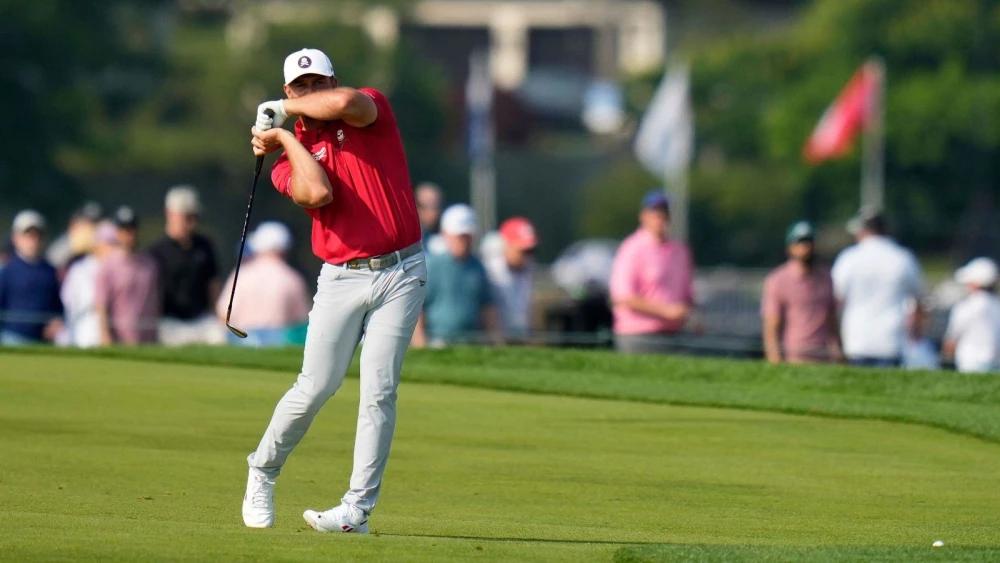
No love lost between Rory McIlroy and Bryson de Chambeau amid LIV Golf's collapse
From Rory McIlroy's point of view, Bryson DeChambeau has limited options as LIV Golf enters death row.
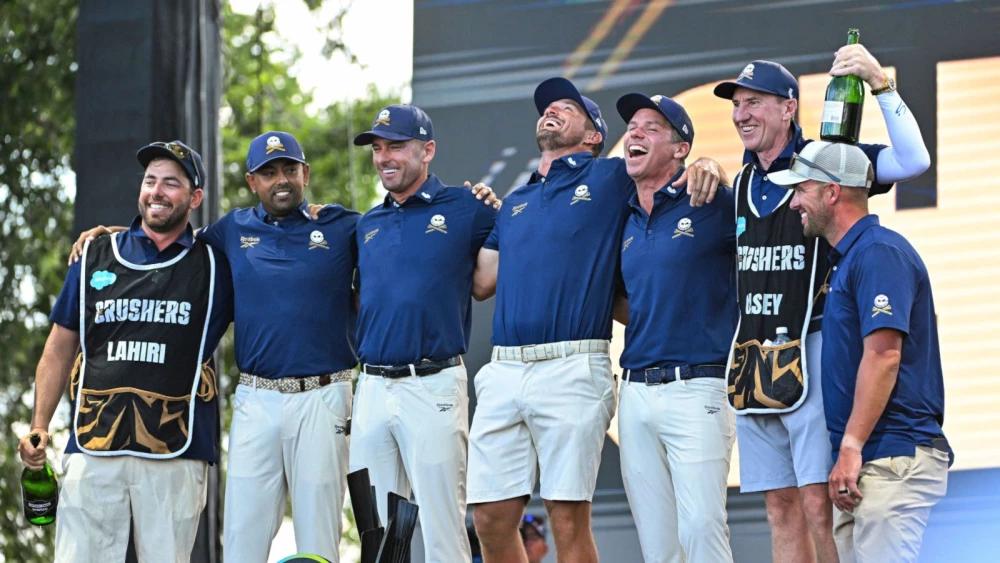
The resulting uncertainty has triggered a major player exodus, reshaping the breakaway circuit ahead of its proposed "LIV 2.0" relaunch in 2027.
Following the high-profile departure of individual champion Jon Rahm, former major winners Louis Oosthuizen and Graeme McDowell have officially joined the list of stars walking away rather than committing to the league's downsized era.
As the October 2026 deadlines pass and the dust settles on bankruptcy hearings, here is a breakdown of who's left standing and what the future holds for the embattled league.
The core superstars remaining
While the departure list is lengthy; including Tyrrell Hatton, Ian Poulter, Sergio Garcia, and Branden Grace, LIV 2.0 has managed to retain a handful of its foundational cornerstones.
Cameron Smith
The Australian star and Ripper GC captain remains one of the few elite names explicitly committed to anchoring the new iteration of the league, providing vital star power for key international stops like Adelaide.
Bryson DeChambeau
The two-time individual winner in the 2026 season remains heavily tied to the league's survival, though bankruptcy documents reveal he is currently listed as a major player creditor owed $5.77 million.
Dustin Johnson
The 4Aces GC captain, who led his squad to back-to-back team titles, is still in the mix. However, reports indicate he and over 10 other players are actively navigating complex severance disputes regarding original contract payments.
The South African contingent
The all-South African Southern Guards GC (formerly Stinger GC) has been hit particularly hard. Captain and 2010 Open champion Louis Oosthuizen and longtime teammate Branden Grace have both confirmed their exits, citing a desire for greater schedule flexibility and a return to the DP World Tour in 2027.
That leaves Masters winner Charl Schwartzel and multiple LIV individual champion Dean Burmester as the remaining core members whose futures with the league remain undecided. The Southern Guards will likely need to abandon their South African identity and be rebranded for the 2027 season.
The new financial reality
The catalyst for this structural collapse was the PIF's sudden decision to pull its financial backing after investing over $5 billion into the tour. To survive, LIV has pivoted from an unlimited sovereign wealth fund to a leaner corporate structure powered by a $300 million financing agreement from private equity firm BC Partners Credit.
This transition fundamentally altered contract terms. Mega-deals have been replaced by strict revenue-sharing mechanisms and tighter expense controls—realities that prompted Rahm to walk away from over $100 million left on his original contract.
What lies ahead for LIV 2.0?
Despite the ongoing bankruptcy proceedings in New Jersey, league organizers remain bullish about launching the 2027 season under the "LIV 2.0" banner. The proposed roadmap focuses on a condensed, highly efficient model:
A shorter schedule
Plans are in motion for a streamlined 10-event schedule, split evenly with five events in the United States and five international tournaments.
The recruitment crunch
LIV 2.0 needs to secure commitments from roughly 30 to 40 players to make its fields viable. With only about 15 players tentatively signed past the initial October deadlines, recruitment from smaller global tours and qualifying promotions will be vital.
Roster rebuilding
The exit of marquee captains means entire franchises, such as the South African-centric Southern Guards GC (formerly Stinger GC) and Rahm's Legion XIII, must be entirely rebuilt or rebranded for 2027.
LIV Golf is no longer the disruptive, bottomless money pit that shook professional sports. Stripped of its state funding, the tour must prove it can function as a self-sustaining commercial business.
While surviving icons like DeChambeau and Smith offer a bridge to the new era, the league's survival depends on whether private equity stabilization can outpace the legal and competitive bleeding of its roster.
From Rory McIlroy's point of view, Bryson DeChambeau has limited options as LIV Golf enters death row.
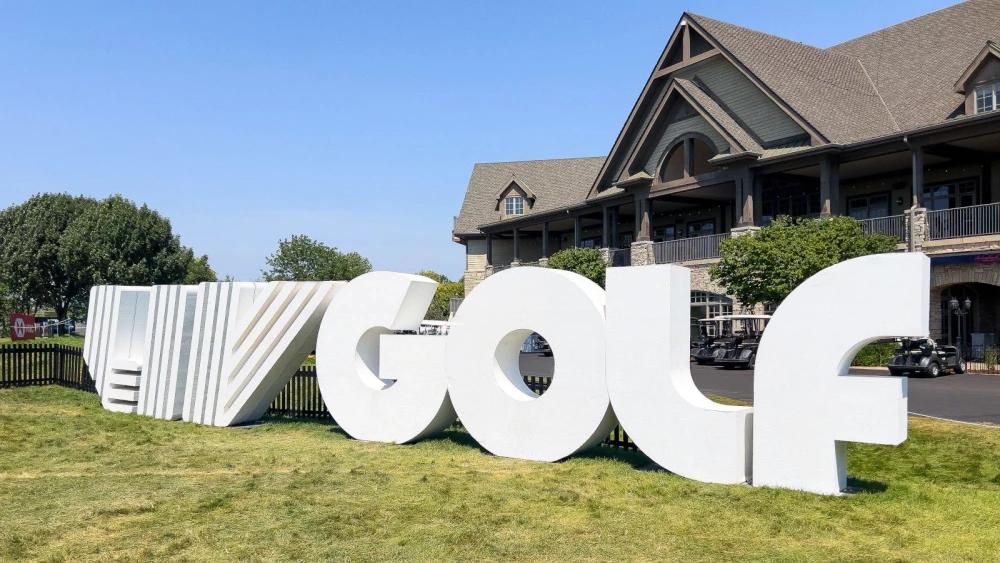
LIV Golf filed a Chapter 11 bankruptcy plan with a New Jersey court in New York on Tuesday.

Top LIV Golf players could recover only a fraction of the millions owed to them following the league's move towards liquidation, according to a bankruptcy expert.

Former US Open champion Bryson DeChambeau has revealed he will compete at the Nedbank Golf Challenge in December, as he confirmed his exit from LIV Golf.